Understanding the Critical Role of CT Scan for Lung Cancer in Modern Medical Diagnostics
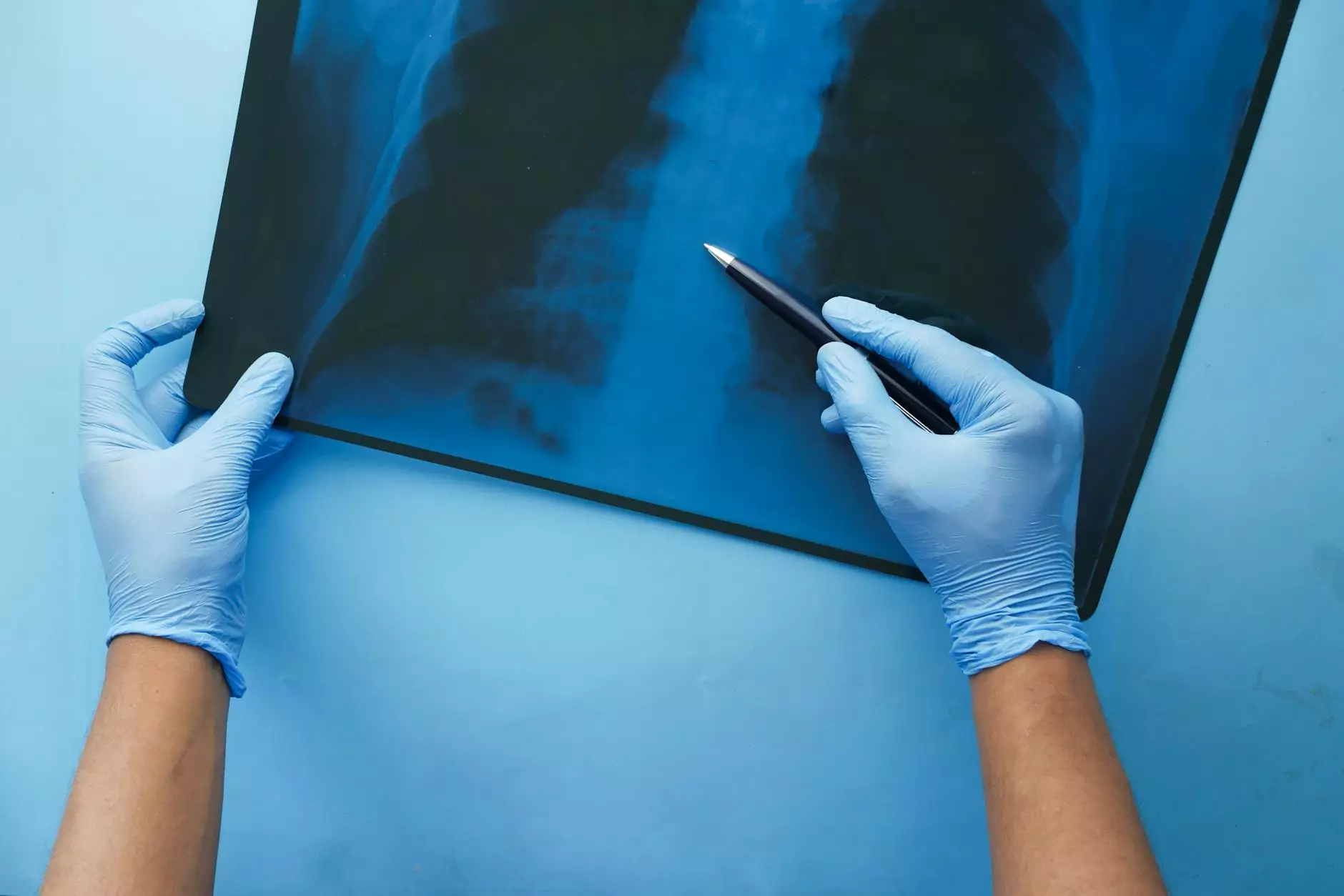
In the realm of Health & Medical, early and accurate diagnosis of lung cancer remains a cornerstone for effective treatment and improved patient outcomes. Among various diagnostic tools, the CT scan for lung cancer stands out as an indispensable technology. This comprehensive guide delves into the significance of CT imaging, its technological intricacies, clinical applications, and how it integrates within holistic health practices such as physical therapy and sports medicine.
What is a CT Scan for Lung Cancer?
A Computed Tomography (CT) scan is an advanced imaging modality that utilizes X-ray technology to produce detailed cross-sectional images of the body’s internal structures. When specifically targeted towards lung health, a CT scan for lung cancer provides high-resolution images that help identify suspicious nodules, masses, or other abnormalities within the lungs. This imaging technique surpasses traditional chest X-rays in sensitivity, allowing for the detection of smaller lesions and more precise localization.
The Importance of Early Detection of Lung Cancer
Lung cancer remains one of the most prevalent and deadly cancers worldwide. According to global health statistics, early detection significantly increases survival rates, with localized tumors being more amenable to curative treatment options. Routine screening with a ct scan for lung cancer can reveal malignancies at their nascent stages, often before clinical symptoms manifest, thus enabling early intervention and better prognosis.
Benefits of Using a CT Scan for Lung Cancer
- High Sensitivity and Specificity: Superior to standard chest X-rays, enabling detection of smaller lesions.
- Precise Localization: Helps guide biopsies or minimally invasive procedures.
- Staging and Monitoring: Assists in determining the extent of disease and monitoring treatment response.
- Non-Invasive: Provides comprehensive internal views without surgical intervention.
- Risk Stratification: Identifies high-risk individuals who may benefit from further diagnostic assessment.
The Technology Behind the CT Scan for Lung Cancer
The CT scan for lung cancer employs sophisticated X-ray equipment linked to computers that reconstruct detailed three-dimensional images. Modern multi-detector CT scanners incrementally increase detection speed and image clarity, which is critical for thorough lung evaluation. These scanners facilitate thin-slice imaging, ensuring that even minute anomalies are visible.
Technological advancements such as low-dose CT protocols further optimize patient safety by minimizing radiation exposure while maintaining image quality. This is particularly relevant in screening settings where repeated scans may be necessary.
Procedures and Preparation for a CT Scan for Lung Cancer
Preparation for a ct scan for lung cancer involves specific guidelines to ensure optimal imaging results. Patients are typically advised:
- To fast for several hours before the procedure, especially if contrast dye will be used.
- To inform the medical team about allergies, particularly to iodine or contrast materials.
- To remove metal objects from clothing and accessories that may interfere with imaging.
During the scan, the patient lies flat on a motorized table that slides into the circular CT scanner. The procedure is painless, usually completed within 15-30 minutes. If contrast dye is administered, it enhances the visibility of blood vessels and tissues, aiding in distinguishing benign from malignant structures.
Interpreting CT Scan Results in Lung Cancer Diagnosis
Radiologists analyze the images for abnormalities such as nodules, masses, or irregularities. Characteristics of suspicious lesions include size, shape, borders, and internal features like calcifications. A CT scan for lung cancer provides critical information that guides further diagnostic steps, including biopsy or surgical intervention.
Integrating CT Scan Results into Holistic Patient Care at HelloPhysio.sg
At HelloPhysio.sg, a holistic approach to patient recovery incorporates advanced diagnostic tools like the ct scan for lung cancer. Once malignancies are identified, collaborative care involving physical therapy, sports medicine, and targeted rehabilitation ensures patients regain optimal health post-treatment.
The Role of Physical Therapy and Sports Medicine in Lung Cancer Care
While diagnosis and treatment focus on oncological management, supportive care through physical therapy and sports medicine is vital. Post-treatment sessions aim to:
- Restore respiratory function and increase lung capacity.
- Improve overall physical strength and endurance.
- Manage fatigue and reduce the risk of further health complications.
- Enhance quality of life through tailored exercise programs.
Expert practitioners at HelloPhysio.sg employ evidence-based techniques to help survivors of lung cancer achieve this holistic recovery, emphasizing personalized care plans that incorporate physical activity, breathing exercises, and manual therapies.
Emerging Trends and Future Perspectives in CT Scan for Lung Cancer
Research continues to innovate in the field of imaging technology. Emerging techniques such as dual-energy CT, artificial intelligence-enhanced image analysis, and functional imaging are promising avenues for more accurate diagnosis and real-time monitoring. These advances aim to reduce false positives, improve early detection even further, and personalize treatment strategies based on tumor biology.
Why Choose HelloPhysio.sg for Your Health & Medical Needs
Located conveniently in Singapore, HelloPhysio.sg is dedicated to integrating state-of-the-art diagnostic approaches with comprehensive physical therapy and sports medicine services. Their multidisciplinary team of specialists ensures that every patient benefits from personalized, effective, and empathetic care, making them a leading choice for conditions requiring complex diagnostics like ct scan for lung cancer.
Final Thoughts: Prioritizing Your Lung Health with Advanced Diagnostics
In conclusion, the ct scan for lung cancer is a critical tool in the early detection, accurate staging, and ongoing management of lung malignancies. Combining this technology with proactive health practices, expert medical consultation, and supportive therapies from providers like HelloPhysio.sg creates a comprehensive approach that optimizes outcomes.
Protect your health by understanding the significance of advanced diagnostic procedures, staying vigilant for symptoms, and seeking timely medical advice. Remember, early detection is the key to successfully overcoming lung cancer, and technology such as the CT scan for lung cancer makes this possible.