Mastering Semaglutide Peptide Mixing Instructions: The Complete Guide for Effective Usage
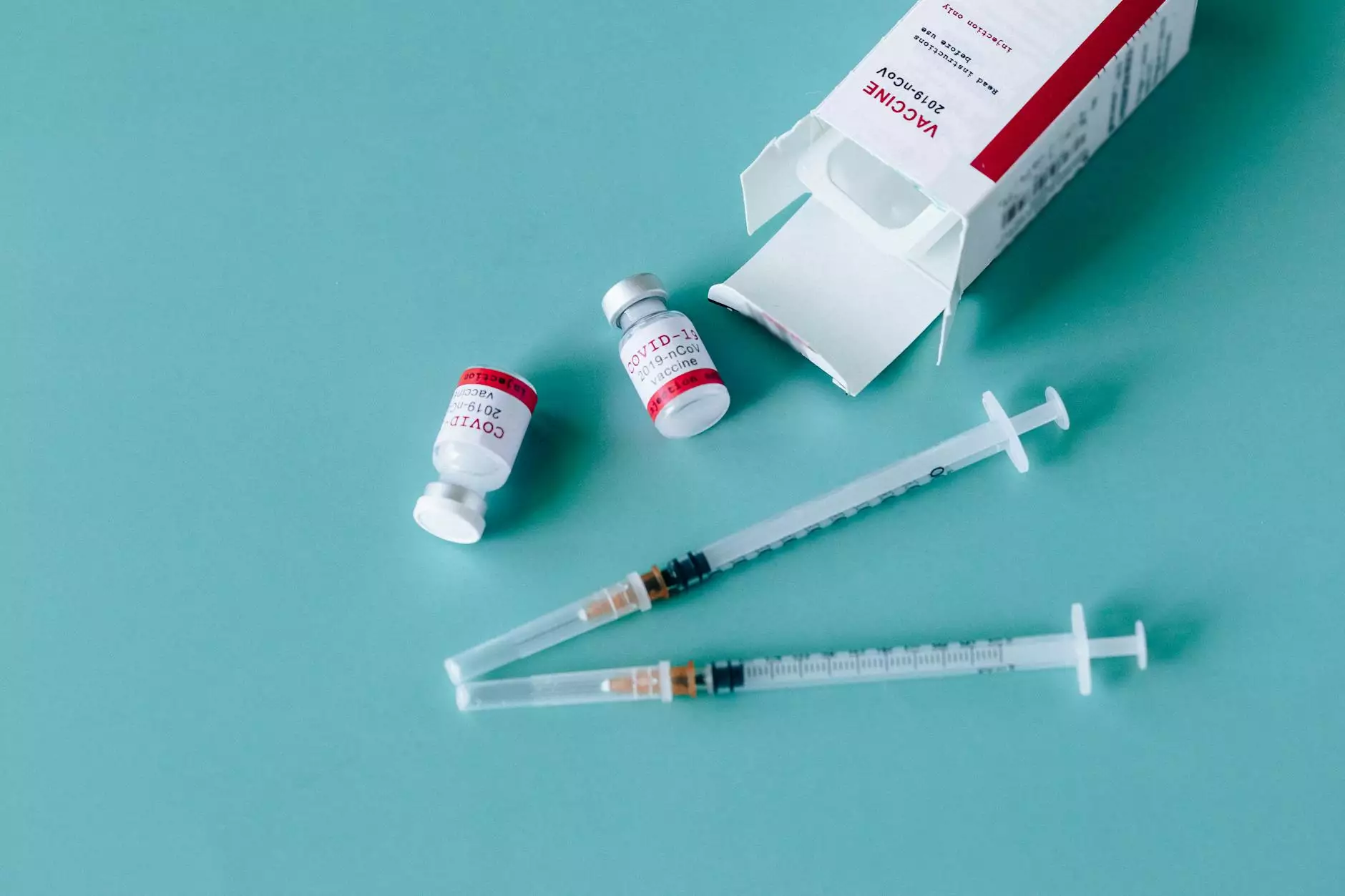
In the rapidly evolving world of health and wellness, peptides like semaglutide have gained significant attention for their remarkable potential in managing weight, controlling blood sugar levels, and enhancing overall metabolic health. However, the efficacy and safety of semaglutide depend heavily on proper handling—particularly during the peptide mixing process. This article provides an exhaustive, step-by-step guide on semaglutide peptide mixing instructions, aiming to empower users with the knowledge required to prepare and administer this powerful peptide correctly. Whether you are a healthcare professional or an individual using it for personal health, mastering these instructions is critical for achieving optimal results while safeguarding your well-being.
Understanding Semaglutide: What You Need to Know
Semaglutide is a glucagon-like peptide-1 (GLP-1) receptor agonist. It mimics the body’s natural GLP-1 hormone, stimulating insulin secretion, reducing appetite, and slowing gastric emptying. These effects promote better blood sugar control and support weight loss efforts. Originally developed for type 2 diabetes management, semaglutide's ability to suppress appetite has made it popular among those seeking effective weight management solutions.
While the pharmaceutical-grade formulation is prescribed and administered under medical supervision, many users turn to peptide synthesis and reconstitution to utilize semaglutide in research settings or personalized protocols. Proper mixing instructions are crucial for maintaining peptide stability, potency, and safety.
The Importance of Accurate Semaglutide Peptide Mixing Instructions
Proper mixing of semaglutide involves precise sterile techniques, correct solvent choice, accurate measurements, and proper storage. Failing to adhere to these instructions can lead to:
- Degradation of the peptide, reducing effectiveness.
- Contamination and infection risks.
- Inaccurate dosing, potentially causing adverse effects or suboptimal results.
- Loss of peptide stability due to improper storage conditions.
Implementing correct semaglutide peptide mixing instructions ensures that your compound remains potent, safe, and reliable for administration. Below, we dive into the detailed procedure that synthesizes expertise and safety protocols.
Supplies Required for Semaglutide Peptide Mixing Instructions
Before beginning, gather all necessary sterile supplies:
- Powdered semaglutide vial: Ensure it's from a reputable source with verified quality standards.
- Sterile bacteriostatic water or bacteriostatic saline: Chosen based on your intended protocol.
- Insulin syringe (typically 1mL): For precise measurement and injection.
- Alcohol swabs: To disinfect vial rubber stoppers and syringe tips.
- Sterile mixing vial: An aseptic container for reconstitution.
- Needles for drawing and injecting: Preferably 29G/30G for minimal discomfort.
- Gloves: To maintain sterility and protect against contamination.
Step-by-Step Semaglutide Peptide Mixing Instructions
1. Preparation and Sterilization
Begin by thoroughly washing your hands with soap and water. Don sterile gloves to minimize contamination. Disinfect the rubber stoppers of both the semaglutide powder vial and the sterile diluent vial with alcohol swabs.
2. Reconstitution of Semaglutide
- Decode the vial label to determine the contents and concentrate. For instance, if you have a 2mg vial, you'll need to determine the desired dose per injection.
- Using an insulin syringe, draw a volume of sterile bacteriostatic water—commonly 1mL or 2mL depending on concentration preferences—by inserting the needle into the vial’s rubber stopper and pulling back gently.
- Maintain the needle in the solution, invert the vial, and slowly inject the sterile water down the inner wall of the vial containing the powdered semaglutide. This helps prevent denaturation of the peptide.
- Do not shake vigorously. Instead, gently swirl or rock the vial to assist dissolution. The solution should turn clear and free of particulates.
3. Ensuring Complete Dissolution
Allow the mixture to sit for a few minutes, gently swirling occasionally to facilitate complete dissolution. This step is critical to ensure you have an accurate concentration for dosing.
4. Storage Conditions
Store the reconstituted semaglutide in a refrigerator, ideally between 2°C and 8°C (36°F - 46°F). Keep the solution protected from light. Proper storage maintains peptide stability for up to several weeks, but always check the manufacturer's guidelines and expiration dates.
5. Accurate Dosing and Administration
Using a sterile syringe, draw the dose required for your protocol. Be precise with measurements to avoid overdosing or underdosing.
- Inject subcutaneously into the fatty tissue of the abdomen, thigh, or upper arm.
- Ensure the injection site is clean and rotate sites to prevent tissue irritation.
- Follow your healthcare provider’s dosage regimen or the protocol supplied with your peptide.
Special Tips for Safe and Effective Peptide Handling
- Maintain Sterility: Always use sterile equipment and avoid touching needle tips or vial openings.
- Temperature Control: Keep reconstituted peptide refrigerated; avoid freezing or excessive heat exposure.
- Vial Longevity: Use the peptide within the recommended period post-reconstitution for maximum efficacy.
- Proper Disposal: Dispose of needles and syringes in designated sharps containers.
Common Mistakes and How to Avoid Them in Semaglutide Peptide Mixing Instructions
- Incorrect solvent usage: Always use sterile bacteriostatic water or saline recommended for injection.
- Rapid shaking: Vigorously shaking can degrade the peptide; gentle swirling is preferred.
- Contamination: Never touch sterile parts or reuse vials and syringes.
- Poor storage: Neglecting refrigeration reduces peptide potency.
Frequently Asked Questions About Semaglutide Peptide Mixing Instructions
Can I reconstitute semaglutide with plain water?
No. It is recommended to use bacteriostatic water or saline to prevent bacterial growth during storage.
How long can reconstituted semaglutide be stored?
Typically up to 30 days if refrigerated properly, but always follow specific manufacturer guidelines and monitor for any signs of deterioration.
What should I do if the peptide did not fully dissolve?
Allow additional time and gentle swirling. Avoid shaking violently. If it persists, consult a professional for further guidance.
Conclusion: Ensuring Success with Proper Semaglutide Peptide Mixing Instructions
Accurate and sterile preparation of semaglutide is fundamental to harnessing its full benefits safely. By following the detailed steps outlined above—the correct supplies, meticulous techniques, and proper storage—you can optimize peptide stability, avoid complications, and achieve your health goals more effectively. Remember, always prioritize safety, consistency, and adherence to best practices when handling peptides like semaglutide. For additional guidance or personalized protocols, consult healthcare professionals experienced in peptide therapies.
At skinny-quick.net, we are committed to providing high-quality information and resources to assist you on your health journey. Equipped with the proper semaglutide peptide mixing instructions, you are now better prepared to utilize this powerful peptide safely and effectively.