Dental Bridges: The Key to Restoring Your Smile and Improving Oral Health
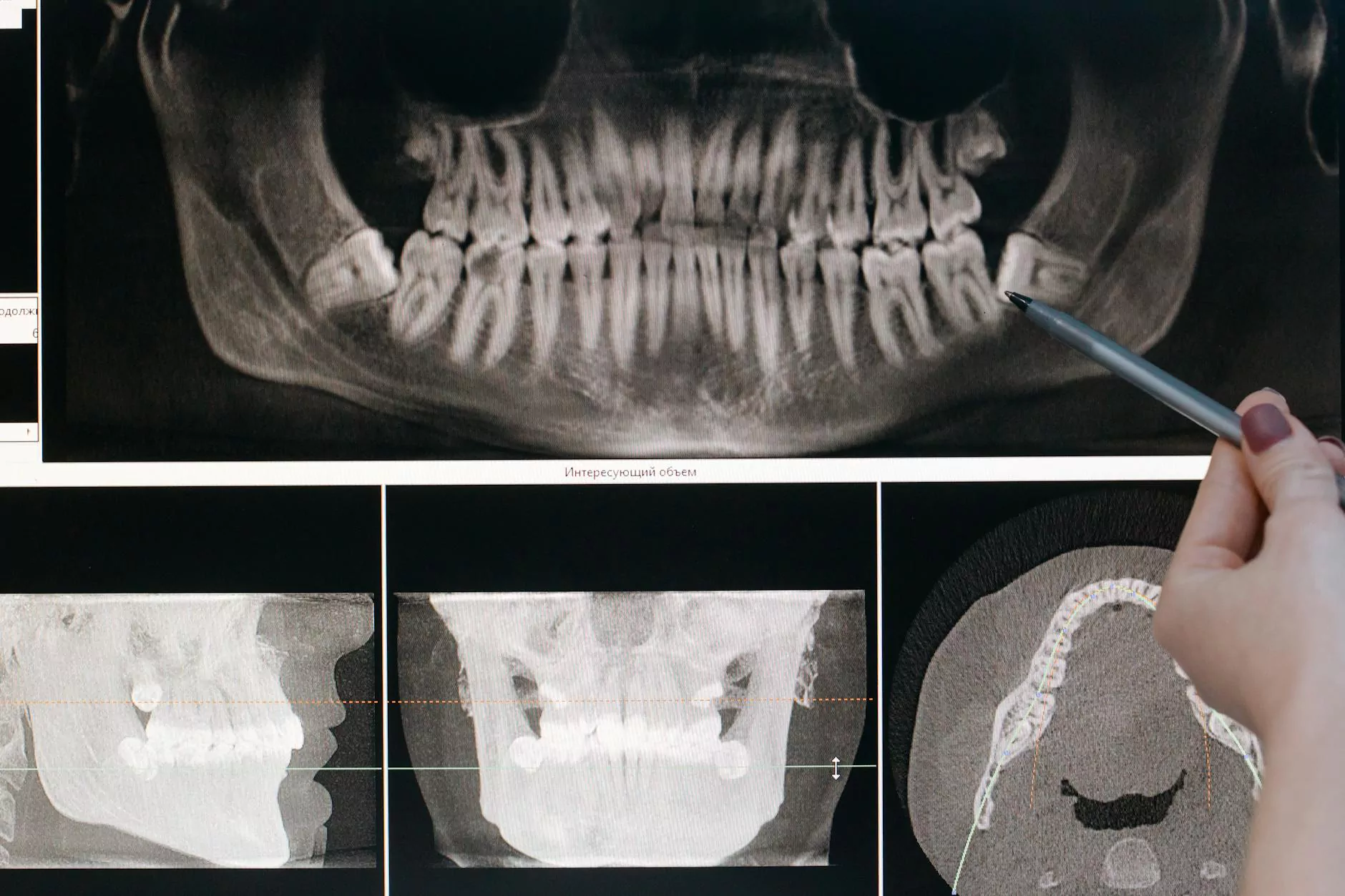
A dental bridge is a remarkable dental restoration that plays a pivotal role in transforming not just your appearance but also your overall oral health and quality of life. At Kensington Dental Studio, we understand the profound impact a complete, functional smile has on confidence, speech, eating, and social interactions. This comprehensive guide delves deeply into the world of dental bridges, elucidating their types, advantages, the detailed procedure, aftercare, and why they are a preferred choice for many seeking to restore their dental function.
What Is a Dental Bridge and How Does It Work?
A dental bridge is a fixed dental restoration used to replace one or more missing teeth by literally "bridging" the gap created. It is composed of two or more crowns for the teeth on either side of the gap, called abutment teeth, and false tooth/teeth in between, known as pontics. These pontics can be made from various materials, including porcelain, gold, or a combination for durability and aesthetic appeal.
The primary function of a dental bridge is to restore normal function—allowing proper chewing and speaking—while also preventing remaining teeth from shifting out of position, which can lead to bite problems or further tooth loss. Properly fitted, a dental bridge seamlessly integrates into your natural dentition, providing stability and enhancing your smile's appearance.
Different Types of Dental Bridges: Choosing the Right Solution for You
Understanding the various types of dental bridges is essential for selecting the optimal solution tailored to your specific needs, budget, and aesthetic preferences.
1. Traditional Fixed Dental Bridge
The most common type, traditional bridges, consist of one or more pontics held in place by crowns cemented onto the abutment teeth. It’s an ideal choice when adjacent natural teeth are available to support the bridge.
2. Cantilever Dental Bridge
This type is used when there is only one adjacent tooth available for support. It involves anchoring the pontic to a single tooth. Due to potential stress on supporting teeth, cantilever bridges are less frequently used today.
3. Maryland (Resin-bonded) Bridge
Comprising a metal or porcelain framework bonded directly to the back of adjacent teeth, Maryland bridges are minimally invasive and aesthetically appealing, making them suitable for replacing front teeth.
4. Implant-Supported Bridges
When multiple teeth are missing, and support from natural teeth isn’t feasible, implant-supported dental bridges anchored directly into the jawbone provide a durable and long-lasting alternative. This solution preserves jawbone density and offers excellent stability.
Why Invest in a Dental Bridge? The Numerous Benefits Explained
- Restores Functionality: Allows you to chew and speak comfortably as with natural teeth.
- Enhances Aesthetics: Seamlessly fills smile gaps, restoring facial symmetry and your confidence.
- Prevents Teeth Shifting: Maintains proper alignment by preventing neighboring teeth from drifting into the empty space.
- Supports Facial Structure: Preserves the natural shape of your face, preventing a sunken appearance.
- Improves Speech: Eliminates speech difficulties caused by missing teeth.
- Long-lasting Solution: With proper care, modern dental bridges can last for many years, offering excellent value.
- Boosts Confidence and Self-Esteem: A complete smile profoundly impacts social interactions and self-image.
The Step-by-Step Process of Getting a Dental Bridge
At Kensington Dental Studio, our experienced clinicians ensure the procedure is smooth, comfortable, and precise. Here is a breakdown of what you can expect:
Initial Consultation and Evaluation
An extensive dental assessment involves x-rays and impressions to evaluate the health of adjacent teeth and jawbone. We discuss your aesthetic goals, functional needs, and budget to determine the most suitable bridge type.
Preparation of Abutment Teeth
The supporting teeth are carefully reshaped by removing a portion of enamel to accommodate the crowns. This step ensures the bridge will fit comfortably and securely.
Impressions and Temporary Bridge Creation
Precise impressions are taken and sent to a dental laboratory, where your customized dental bridge is fabricated. A temporary bridge is placed to protect your prepared teeth during this period.
Fitting and Cementation
Final fitting involves:
- Checking the fit and bite
- Adjusting for comfort and aesthetics
- Cementing the final bridge securely in place
Post-procedure instructions include maintaining excellent oral hygiene and attending follow-up appointments.
Maintaining and Caring for Your Dental Bridge
Proper care ensures your dental bridge remains functional and beautiful for years to come. Here are essential tips:
- Practice diligent oral hygiene: Brush twice daily with a soft-bristled toothbrush and fluoride toothpaste, ensuring you clean under the pontic and around supporting crowns.
- Floss daily: Use floss threaders or interdental brushes to remove plaque beneath and around the bridge.
- Regular dental check-ups: Routine visits allow early detection of any issues and professional cleaning.
- Avoid hard or sticky foods: These can damage or dislodge the bridge.
- Address any discomfort promptly: Contact our practice if you experience persistent pain or sensitivity.
Why Kensington Dental Studio Is Your Premier Choice for Dental Bridges
Our clinic combines expert dental craftsmanship with the latest technology to deliver superior results. Here’s why you should consider us:
- Experienced Specialists: Our team includes highly trained prosthodontists and dental hygienists dedicated to excellence.
- Personalized Treatment Plans: We tailor each dental bridge to fit your unique anatomy and aesthetic preferences.
- Advanced Technology: Using digital impressions and CAD/CAM systems, we ensure precise fits and quicker turnaround times.
- Comprehensive Care: From initial consultation to maintenance, we provide continuous support to maximize your oral health.
- Patient Comfort & Satisfaction: We prioritize your comfort, employing sedation and pain management options as needed.
The Evolving World of Dental Bridges: Innovations and Future Trends
Dental technology continually advances, offering patients enhanced options to restore their smiles. Trends such as digital smile design, 3D printing, and biomimetic materials are shaping the future, providing results that are more natural, durable, and aesthetic than ever before.
Additionally, combining dental bridges with implantology allows for fixed, implant-supported solutions that preserve jawbone health and offer unmatched stability. As research progresses, expect even more minimally invasive procedures, quicker turnaround times, and longer-lasting restorations.
Take the Next Step Toward a Complete Smile with a Dental Bridge
The decision to get a dental bridge is a significant step toward restoring your oral health, functionality, and confidence. At Kensington Dental Studio, our team is committed to providing personalized, high-quality restorative options that align with your goals. Schedule your consultation today and experience the transformative power of expert dental care.
Remember, a healthy, beautiful smile is within your reach. With the right dental bridge, you can enjoy a more confident, functional, and vibrant life.